OLEAVIS
is an elixir crafted from the wild
Delice olives of
Latmos Mountain
From this historic soil comes
OLEAVIS
OLEAVIS
is more than just olive oil
Anti aging effects, and promotion of cellular rejuvenation
A Magic Elixir
A Magic Elixir from the Ancient Slopes of
Latmos.
Latmos : Where History Breathes and Nature Thrives
In the heart of Western Anatolia lies
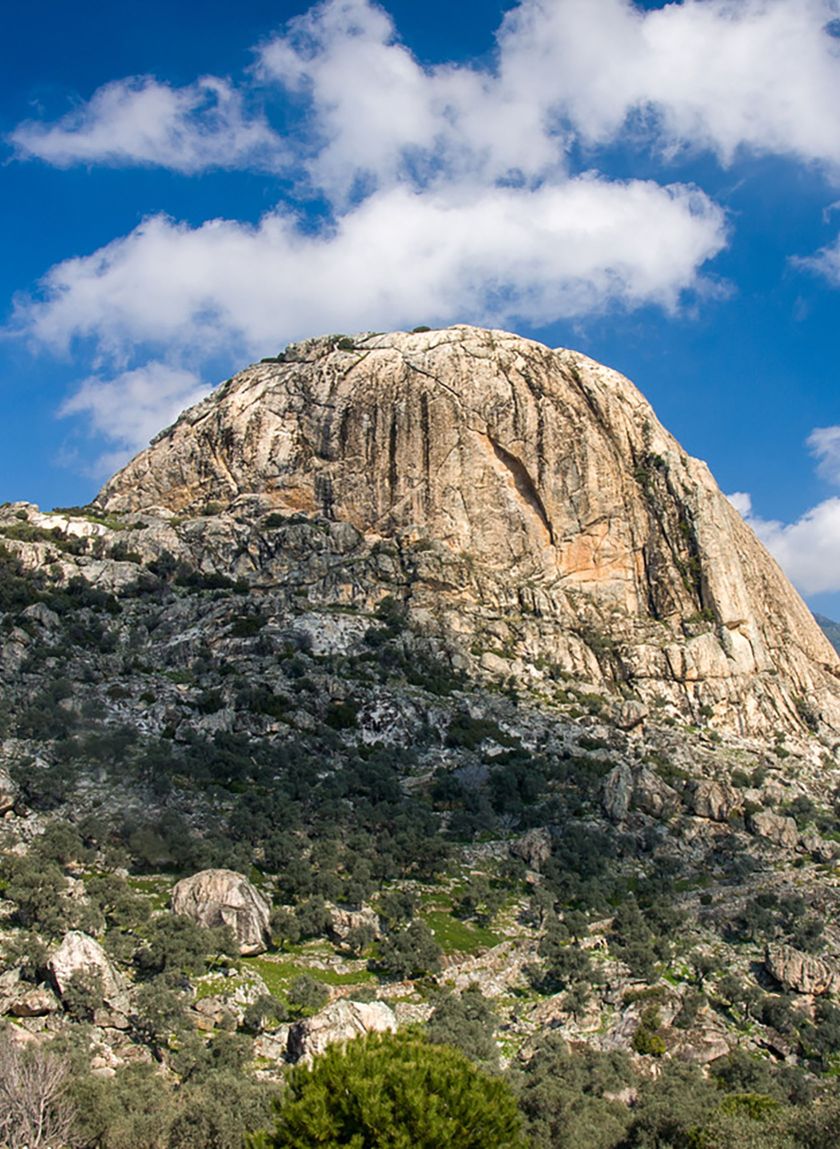
Latmos a 35 kilometer mountain range on a gulf, characterized by its ridges and spurs, with a peak elevation
of 1,353 meters meters. Latmos is part of the Carian Hinterland, a secluded region centered around the ancient site of Mylasa . Its rocky landscape echoes
with the stories of civilizations past, as Latmos has witnessed 10,000 years of continuous human presence
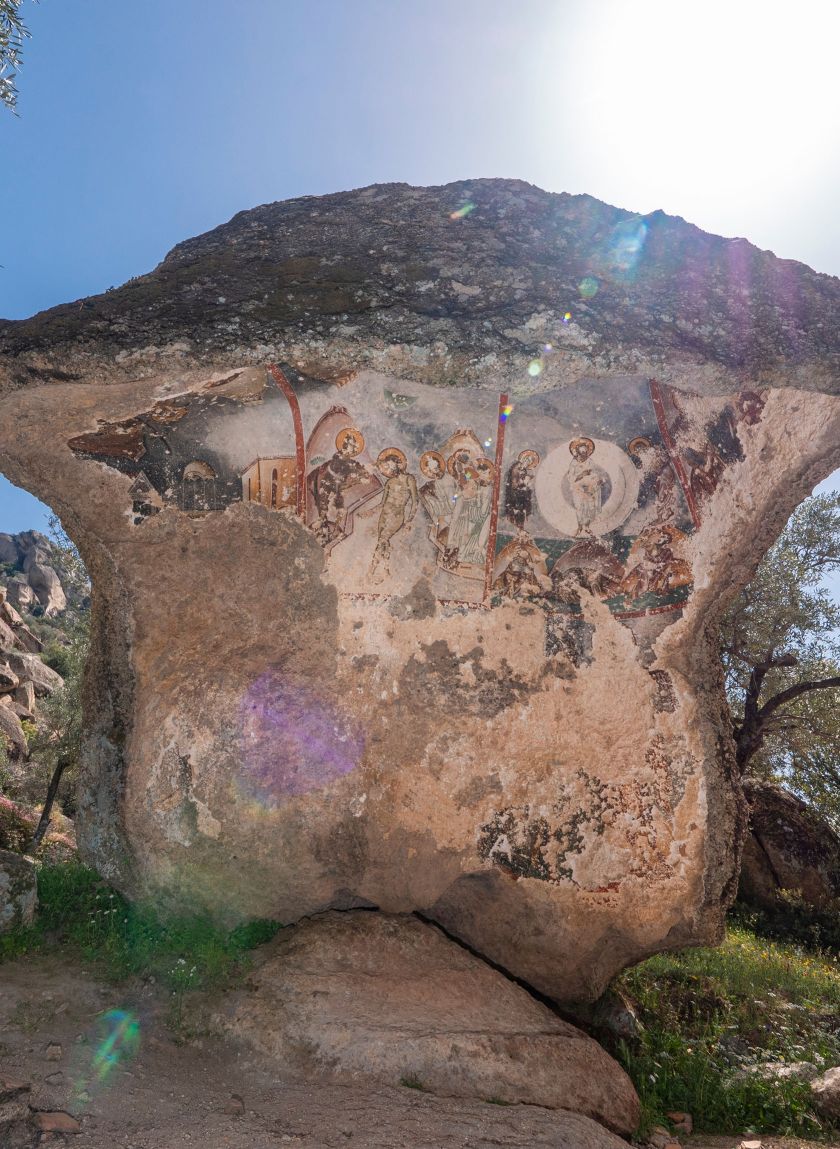
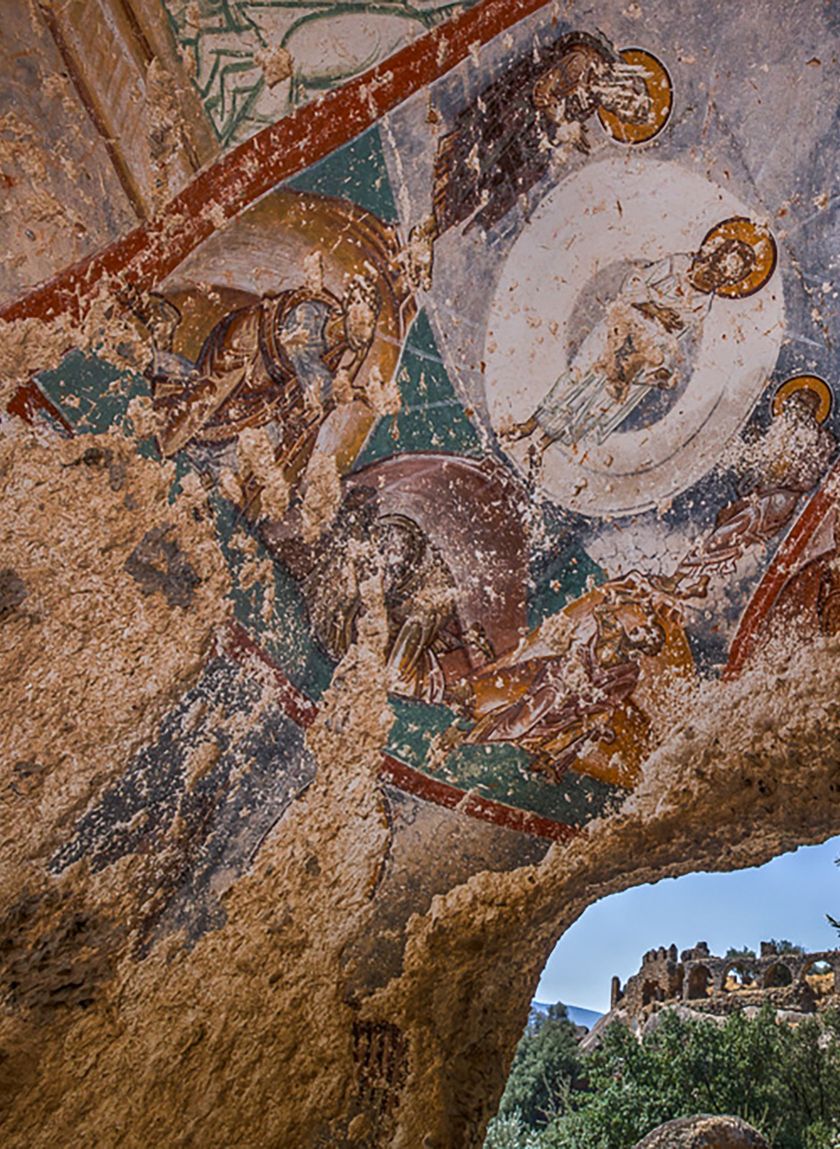
Latmos is not just a mountain; it’s an open air museum where history and myth entwine. The prehistoric cave paintings, hidden beneath many boulders scattered around the mountain, date back to between 6000 and 5500 BCE. These ancient artworks offer a window into the lives of early humans, capturing moments of celebration. They are believed to depict spring or wedding festivals, where dancing and possibly fe rtility rituals played a central role
Latmos
Latmos is not only home to the most
ancient of humans but also the place
where Greek mythology played out
as first mentioned in the writings of
the Greek author Apollonius of
Rhodes and the traveler & geographer Pausanias
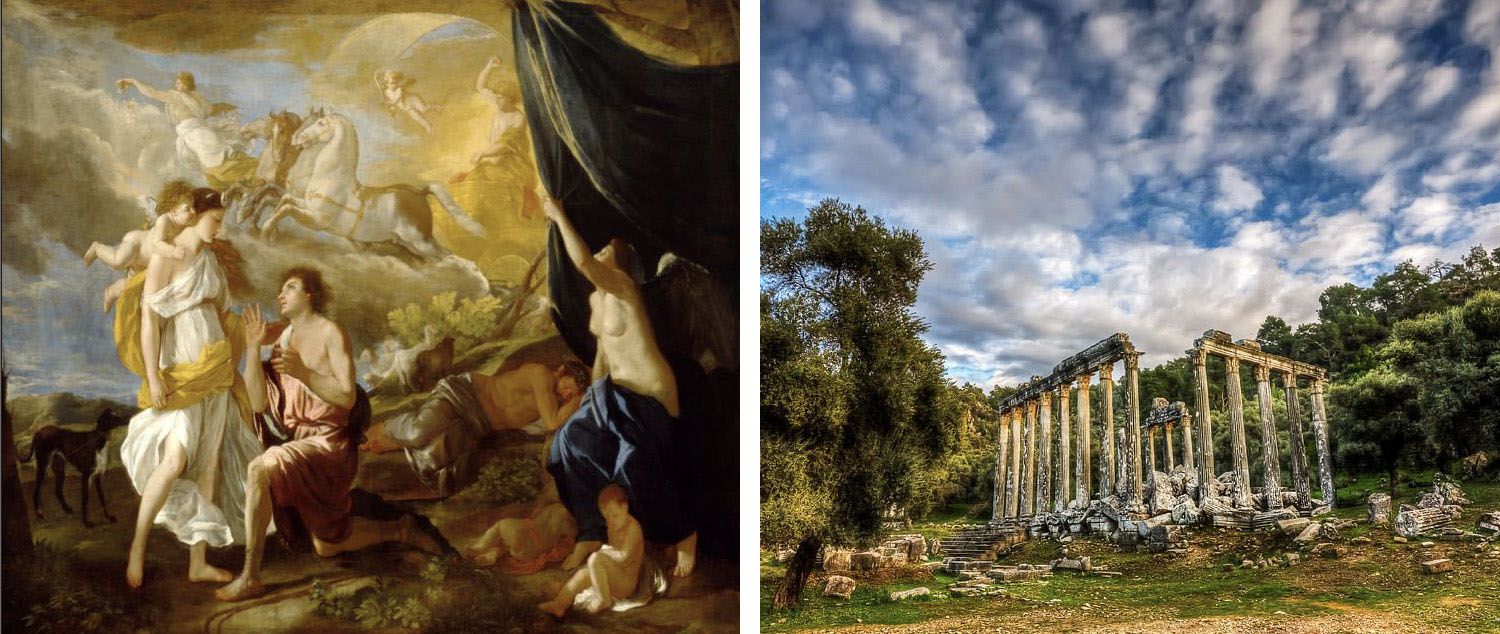
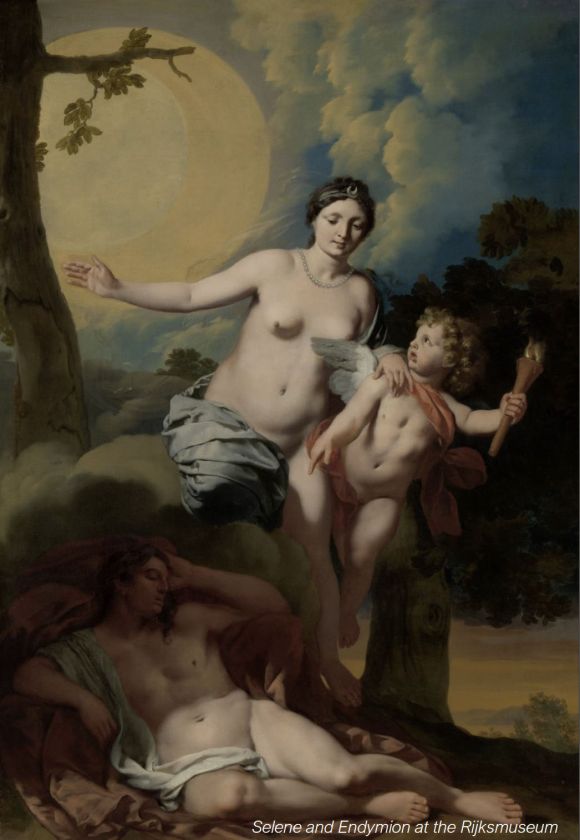
“This is where the moon goddess Selene fell hopelessly in love with the mortal shepherd Endymion , pleading with Zeus to grant him eternal youth. The shrine of Endymion stands as a testament to this ancient story”
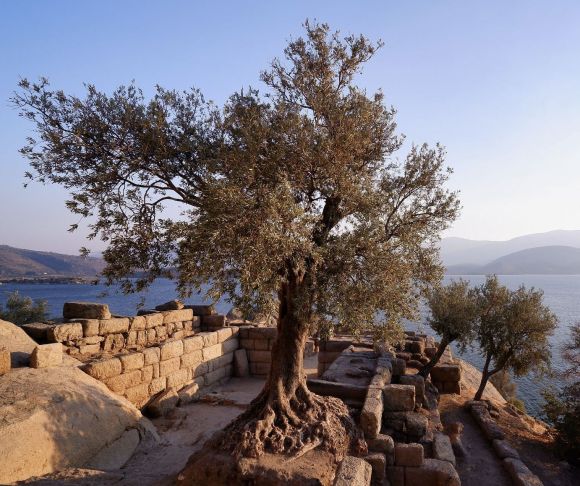
The Olive Tree
Amidst this captivating landscape grows
one of nature’s greatest treasures: the
olive treez
Shining brightly with its golden yellow trunk, the trees are a symbol of peace, life, and prosperity for millennia
These olive groves have thrived for thousands of years alongside the 3,000 year old ancient stone paved roads of Caria, nestled on the steep slopes of Latmos
From this historic soil comes OLEAVIS
Shining brightly with its golden yellow trunk, the trees are a symbol of peace, life, and prosperity for millennia
These olive groves have thrived for thousands of years alongside the 3,000 year old ancient stone paved roads of Caria, nestled on the steep slopes of Latmos
From this historic soil comes OLEAVIS
A Gift of History
OLEAVIS
is an elixir crafted from the wild
Latmos Delice olives of Latmos Mountain
The Blackbird
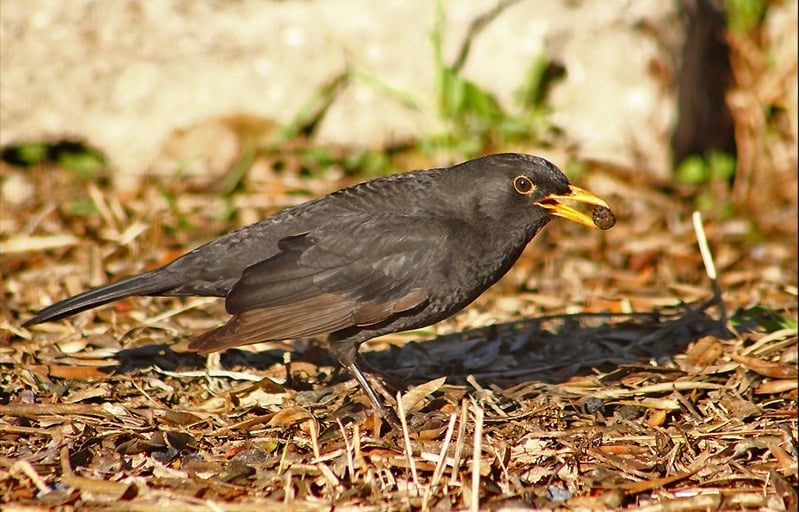
The name Oleavis merges the Latin words “olea” (olive) and “avis” (bird)— a tribute to the partnership between the two that has sustained these olive groves for centuries
In the rugged, sun-baked lands of Latmos, the survival of these ancient trees was aided by an unexpected ally: the blackbird
The blackbird has a sophisticated taste for olives. During the olive season—October through January—it feeds exclusively on olives, spending its days among the olive trees.
In the rugged, sun-baked lands of Latmos, the survival of these ancient trees was aided by an unexpected ally: the blackbird
The blackbird has a sophisticated taste for olives. During the olive season—October through January—it feeds exclusively on olives, spending its days among the olive trees.

A Potion of Health
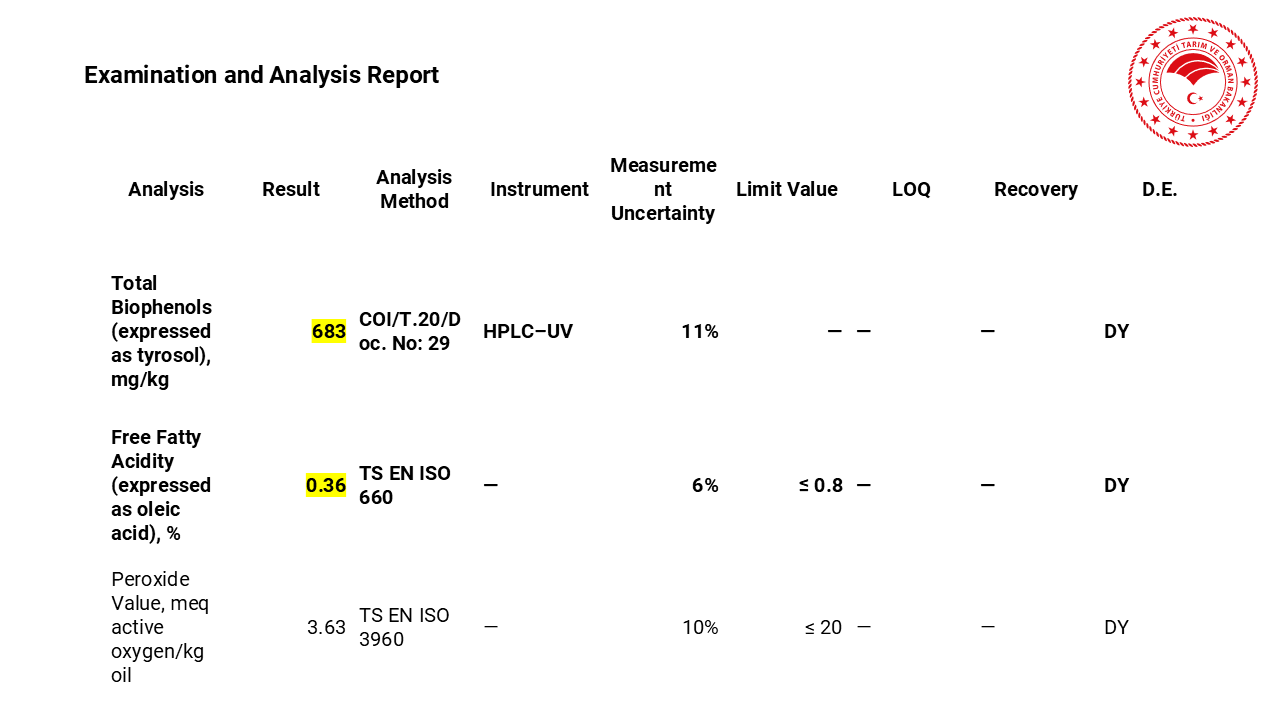
Our oil is crafted from wild, ungrafted Delice olives, which are considered ‘sacred.’ These olives are known for their rebellious nature, thriving in the most challenging conditions, from rocky terrain to thorny bushes
Polyphenols are natural antioxidants found in olives that play a key role in combating oxidative stress. Xenohormesis is the process by which plants, like wild olives, produce protective compounds in response to environmental stress. When consumed, these compounds help reduce inflammation, promote cellular health, and preserve brain function in humans
Preserving a Way of Life, Safeguarding History & Nature
The harvesting process is labor-intensive and remains deeply traditional.
The olive groves on the steep slopes of Latmos are inaccessible to modern machinery like tractors. Instead of building roads that could disrupt the ancient Carian paths, we use traditional methods—donkeys transport the olives, as has been done for centuries. This practice helps preserve both the historical and natural landscape.
Given the limited number of olive trees, large-scale commercial production isn't viable. To support the local community and preserve this ancient way of life, we pay villagers double the standard rate for their work. By upholding this traditional method, we can share nature's miracle with our community while preserving a way of life, safeguarding the region's history and environment, and supporting the local economy.
Producing just one liter of cold-pressed olive oil requires around 32 kilograms of Delice olives, highlighting the remarkable effort and dedication that go into each bottle.
In comparison, the highest-quality commercially available olive oils require only about 2 kilograms of olives per liter.
The olive groves on the steep slopes of Latmos are inaccessible to modern machinery like tractors. Instead of building roads that could disrupt the ancient Carian paths, we use traditional methods—donkeys transport the olives, as has been done for centuries. This practice helps preserve both the historical and natural landscape.
Given the limited number of olive trees, large-scale commercial production isn't viable. To support the local community and preserve this ancient way of life, we pay villagers double the standard rate for their work. By upholding this traditional method, we can share nature's miracle with our community while preserving a way of life, safeguarding the region's history and environment, and supporting the local economy.
Producing just one liter of cold-pressed olive oil requires around 32 kilograms of Delice olives, highlighting the remarkable effort and dedication that go into each bottle.
In comparison, the highest-quality commercially available olive oils require only about 2 kilograms of olives per liter.